
Uncategorized
Fueling the Future: How LNG Bunkering in Singapore Supports Green Shipping

Apr
The shipping world is going green, and LNG bunkering Singapore is leading the way. As vessels worldwide seek cleaner fuel options, Liquefied Natural Gas (LNG) offers a practical solution that’s both efficient and environmentally friendly.
Singapore’s strategic location and advanced facilities have made it Asia’s top spot for LNG bunkering, revolutionising maritime supply chain management. This guide shows you how LNG helps ships run cleaner and why it matters for your fleet.
What is LNG Bunkering and Why is it Important?
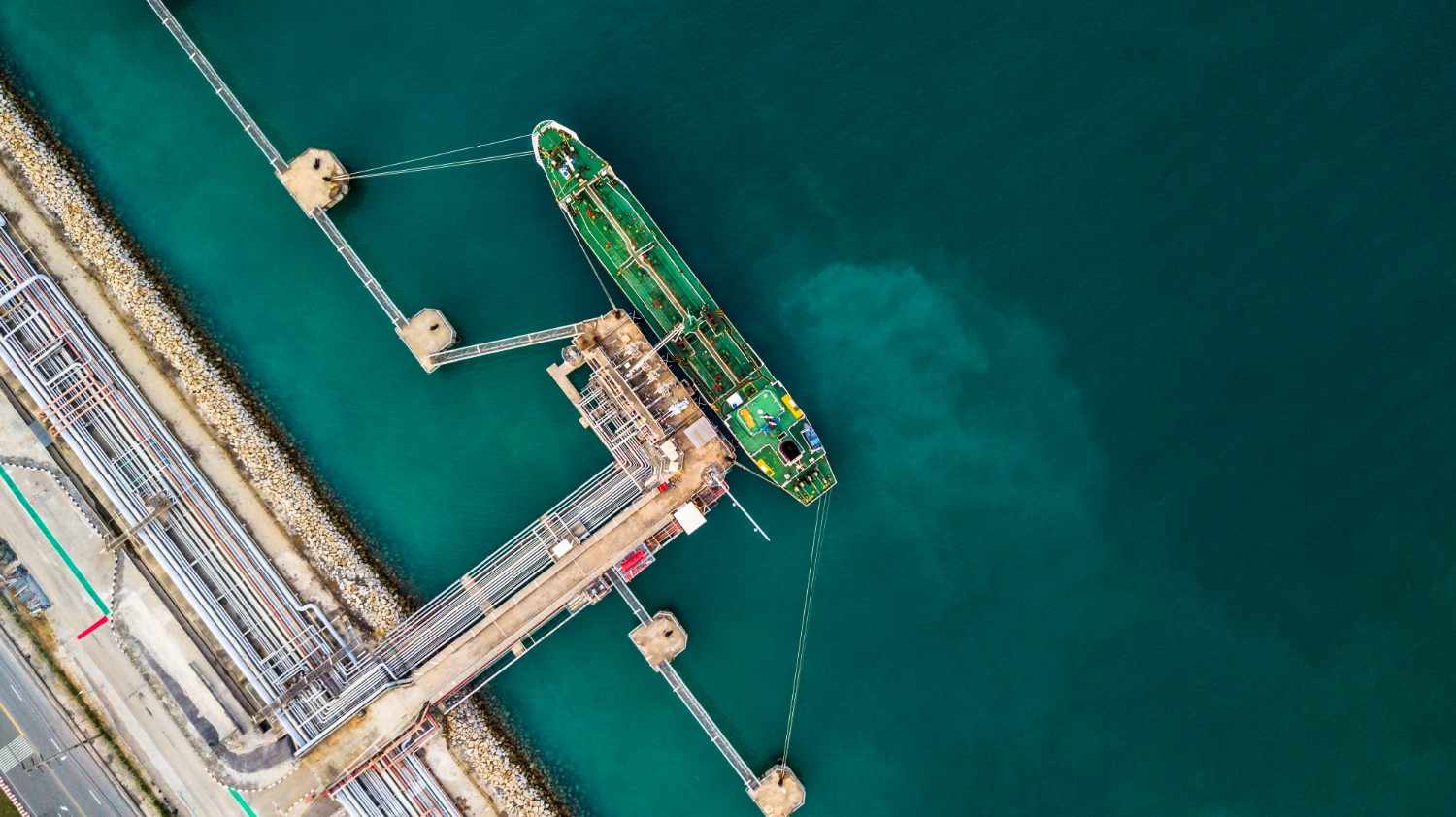
Liquefied Natural Gas (LNG) bunkering is the process of supplying ships with LNG as marine fuel. For vessel logistics management, this involves transferring natural gas that’s been cooled to -162°C, turning it into liquid form for efficient storage and transport. This super-cooling reduces its volume by approximately 600 times.
LNG has emerged as a key marine logistics solution for fleet maintenance management. It slashes sulphur oxide emissions by 77% compared to conventional fuels, helping ships meet IMO 2020’s strict 0.50% sulphur cap regulations. With its lower emissions profile, LNG stands out as an environmentally responsible choice for modern shipping.
Singapore’s Leadership in LNG Bunkering
Working alongside leading ship chandlers in Singapore, the country operates three state-of-the-art LNG bunker vessels – FueLNG Bellina, FueLNG Venosa, and Brassavola.
These marine logistics solutions have significantly boosted Singapore’s LNG bunkering capabilities, with bunker sales increasing over fourfold in early 2024. The Maritime and Port Authority (MPA) has licensed three major suppliers to ensure reliable service.
LNG bunkering Singapore has grown rapidly due to the city-state’s strategic position at major shipping crossroads.
As the world’s largest bunkering port, Singapore services over 130,000 vessels annually, connecting to more than 600 ports worldwide. This network makes it an ideal hub for vessels transitioning to cleaner fuels.
Environmental Benefits of LNG Bunkering
LNG Bunkering offers a few environmental benefits:
Reduced Emissions
LNG offers significant environmental benefits compared to traditional fossil fuels, with lower emissions across various pollutants.
The following table compares LNG’s emissions to coal and oil, highlighting its cleaner burning properties:
| Emission Type | LNG | Coal | Oil |
| Carbon Dioxide (CO2) | Baseline | +40% vs LNG | +30% vs LNG |
| Sulphur Dioxide (SO2) | Insignificant amounts | Significantly higher | Significantly higher |
| Soot/Dust/Particulates | Significantly less | High | High |
| Mercury | Insignificant amounts | Higher amounts | Higher amounts |
Comparison of LNG emissions to traditional fuels
Real-world examples showcase LNG’s contribution to reducing emissions in the energy sector. Grain LNG, Europe’s largest LNG importation terminal, plays a crucial role in transitioning to a cleaner energy future by supplying up to 25% of the UK’s energy needs. Additionally, LNG can act as a feedstock for low-carbon hydrogen production, capturing carbon emissions during the manufacturing process. This positions LNG as a key player in supporting the growth of a new, cleaner hydrogen economy.
Supporting Decarbonisation Goals
LNG bunkering aligns with global decarbonisation targets by providing a cleaner alternative to traditional marine fuels. The shipping industry can reduce emissions and meet stricter regulations by adopting LNG.
Bio-LNG and synthetic LNG offer potential future solutions to further decarbonise the sector. As companies invest in these technologies and secure long-term demand for cleaner fuels, LNG will play a crucial role in the industry’s transition to a low-carbon future.
Economic and Operational Advantages of LNG Bunkering
LNG bunkering provides shipping companies with cost savings and enhanced fleet performance. By working with experienced ship chandlers in Singapore, companies can optimise their maritime supply chain management and vessel logistics management through the use of LNG as a marine fuel.
Cost Savings for Shipping Companies
While the initial costs of converting ships to run on LNG may be higher than traditional marine fuels, the long-term cost savings can be significant.
LNG is a more cost-effective option due to its higher fuel efficiency, meaning ships can travel further on the same amount of fuel.
Additionally, some countries offer tax incentives for companies that adopt LNG, further reducing operational costs.
Enhanced Fleet Performance
LNG is a cleaner-burning fuel that improves engine performance and reduces maintenance needs, resulting in less downtime for ships and a more efficient maritime supply chain.
It also helps shipping companies comply with environmental regulations. Ship chandlers in Singapore are well-equipped to support companies in transitioning to LNG, ensuring seamless integration into their existing operations and optimising vessel logistics management.
Challenges and Future of LNG Bunkering
Despite its environmental benefits, LNG bunkering faces several hurdles while showing promising future developments.
Infrastructure and Adoption Barriers
The high cost of constructing LNG bunker vessels remains a significant challenge, leading to slower growth in the LNG bunkering fleet compared to the rising number of LNG-fueled ships. Currently, Singapore operates just three LNG bunker barges – FueLNG Bellina, FueLNG Venosa, and Brassavola – highlighting the infrastructure limitations. However, major ports worldwide are actively investing in LNG facilities to meet growing demand.
The Future of LNG Bunkering
Singapore leads LNG bunkering innovation with its expanding fleet, including the new Brassavola vessel. The port’s fleet maintenance management system has proven successful with 24 ship-to-ship transfers completed. Through partnerships with public and private sectors, Singapore continues to advance new fuel technologies, cementing its position as a leader in maritime innovation.
How Shipping Companies Can Transition to LNG Bunkering
Making the switch to LNG requires careful planning and strategic implementation. Here’s what companies need to consider for a successful transition.
Steps to Adopt LNG Bunkering
Before transitioning to LNG, shipping companies need to consider these key factors:
-
Technical Assessment
- Vessel compatibility and storage requirements
- Retrofitting costs or new build specifications
- Safety system installations
2. Operational Planning
- LNG bunkering availability on primary routes
- Crew training for LNG operations
- Fuel consumption calculations
3. Regulatory & Cost Considerations
- IMO 2020 compliance verification
- Initial investment vs operational savings
- Port authority certifications and permits
Choosing the Right LNG Bunkering Provider in Singapore
Selection of the right LNG bunkering partner is crucial for successful operations. Currently, Singapore has three licensed providers that meet strict quality and safety standards.
Key Selection Criteria:
- TotalEnergies, Pavilion Energy, and FueLNG are the licensed providers
- Evaluate operational track record and safety protocols
- Consider bunkering vessel availability and capacity
- Check compatibility with your vessel requirements
- Review pricing structure and contract flexibility
Conclusion
LNG bunkering is transforming maritime transportation with its significant environmental benefits and operational efficiency. Singapore’s strategic location and advanced infrastructure make it Asia’s premier LNG bunkering hub. As the industry moves toward cleaner fuel solutions, LNG offers a practical path to sustainable shipping.
Ready to optimise your vessel’s LNG bunkering operations? Asiapac Resources offers reliable LNG bunkering services in Singapore, backed by over a decade of maritime expertise. Our strategic network and 24/7 support ensure efficient, compliant, and safe LNG bunkering operations. Contact us to learn how we can support your transition to cleaner marine fuel.